

Over 80 percent of American teams face confusion about their roles at work, leading to wasted time and missed goals. Defining crystal clear objectives and establishing trust are key for teams that want to deliver real results. This guide breaks down actionable steps to help any American team clarify responsibilities, use agile workflows, and strengthen communication so every member contributes confidently and productivity surges.
Table of Contents
- Step 1: Define Clear Goals And Team Roles
- Step 2: Build Trust And Encourage Open Communication
- Step 3: Implement Agile Tools And Effective Workflows
- Step 4: Promote Continuous Learning And Development
- Step 5: Measure Progress And Optimize Performance
Quick Summary
| Key Point | Explanation |
|---|---|
| 1. Define Clear Goals and Roles | Establish specific, measurable objectives and assign clear responsibilities to enhance team productivity and focus. |
| 2. Build Trust and Communication | Foster an environment of psychological safety where team members can openly share ideas and feedback without fear of judgment. |
| 3. Implement Agile Tools | Use collaborative project management tools to promote transparency and adaptability in workflows while maintaining performance. |
| 4. Promote Continuous Learning | Create a culture of learning with mentorship, personalized growth paths, and opportunities for skill enhancement. |
| 5. Measure Performance Effectively | Develop clear KPIs and a transparent tracking system to continuously evaluate and improve team effectiveness. |
Step 1: Define clear goals and team roles
Creating a high-performing team starts with crystal-clear goal definition and strategic role assignment. When team members understand exactly what they need to achieve and their specific responsibilities, productivity skyrockets.
Begin by conducting a comprehensive team alignment meeting where you collectively establish specific, measurable objectives. High-performance teams fundamentally depend on well-defined roles and responsibilities, which eliminate confusion and streamline workflow. Map out each team member’s strengths, skills, and potential contributions. This isn’t about rigid categorization but strategic placement that allows individuals to excel.
A practical approach involves creating a detailed responsibility matrix that outlines who owns what tasks. Break down project goals into specific, actionable components and assign them transparently. For instance, if developing a new product, clearly define roles like product design, technical development, market research, and customer validation. Encourage team members to provide input during this process, which increases buy-in and commitment.
Warning: Avoid micromanaging after role assignment. Once responsibilities are clear, trust your team to execute their tasks autonomously. Regular check-ins are helpful, but constant interference can undermine the role clarity you’ve established.
In the next step, you’ll learn how to create accountability mechanisms that keep everyone aligned and motivated toward shared objectives.
Step 2: Build trust and encourage open communication
Effective team productivity hinges on creating an environment where team members feel safe sharing ideas, concerns, and feedback without fear of judgment or retribution. Establishing a culture of trust transforms how your team collaborates and performs.
Building trust requires intentional leadership practices that prioritize transparent and authentic communication. Start by modeling the communication behavior you want to see. This means being vulnerable, admitting your own mistakes, and demonstrating genuine respect for different perspectives. Create structured opportunities for team members to share their thoughts, such as regular roundtable discussions or anonymous feedback channels.
Implement communication protocols that promote psychological safety. This involves actively listening without interrupting, validating team members’ contributions, and responding constructively to suggestions. Encourage open dialogue where everyone understands that disagreement does not equate to disrespect. Regular team building activities can also help break down communication barriers and foster deeper interpersonal connections.
Warning: Avoid performative listening. Truly hearing your team means taking action on their insights and showing them their input genuinely matters. Empty gestures will quickly erode trust.
In the next step, you will explore strategies for maintaining consistent communication and accountability across your team.
Step 3: Implement agile tools and effective workflows
Transforming team productivity requires strategic implementation of workflows that promote flexibility, transparency, and continuous improvement. Your goal is to create a dynamic system that adapts quickly to changing project requirements while maintaining consistent performance.

Agile methodologies offer a powerful framework for restructuring team workflows and enhancing collaborative capabilities. Start by selecting collaborative project management tools that support real time communication and task tracking. Digital platforms like Trello, Asana, or Jira can help visualize work progress, assign responsibilities, and create clear accountability. Break down complex projects into smaller manageable sprints, allowing your team to focus on incremental achievements and maintain momentum.
Consider adopting the Scrum framework, which provides structured yet flexible approaches to team workflow management. This method includes specific roles like Scrum Master and Product Owner, along with regular ceremonies such as daily standups, sprint planning, and retrospective meetings. These practices ensure continuous communication, rapid problem solving, and ongoing team alignment. Encourage your team to embrace these rituals not as bureaucratic requirements but as opportunities for genuine collaboration and improvement.
Warning: Avoid overcomplicating your workflow. Too many tools or overly complex processes can become counterproductive. Choose tools that streamline work, not create additional administrative burden.
In the next step, you will explore techniques for monitoring team performance and making data driven adjustments to maintain productivity.
Step 4: Promote continuous learning and development
Continuous learning transforms teams from static groups into dynamic, adaptable units capable of meeting evolving business challenges. By creating a culture that values professional growth, you unlock your team’s potential for innovation and sustained high performance.
Developing employees requires strategic approaches that go beyond traditional training programs. Establish a comprehensive learning ecosystem that includes multiple development channels. Implement mentorship programs where experienced team members guide junior colleagues, create personalized learning paths that align individual career goals with organizational needs, and allocate dedicated time and resources for skill enhancement. Consider providing stipends for online courses, conference attendance, or professional certification programs that expand your team’s collective capabilities.
Encourage a growth mindset by treating failures as learning opportunities and celebrating intellectual curiosity. Host regular knowledge sharing sessions where team members can present insights from recent training, workshops, or industry research. Create collaborative learning environments where individuals feel empowered to ask questions, share challenges, and explore innovative solutions together. Rotate project responsibilities periodically to help team members develop cross functional skills and broaden their professional perspectives.
Warning: Avoid mandating learning without providing meaningful support. Generic training programs that feel disconnected from real work can decrease motivation and engagement.
In the next step, you will discover strategies for measuring and sustaining team learning outcomes to ensure continuous improvement.
Step 5: Measure progress and optimize performance
Measuring team performance is a critical process that transforms abstract productivity goals into concrete, actionable insights. By implementing strategic measurement techniques, you can create a data driven approach that continuously improves team effectiveness and individual contributions.
Performance metrics provide a systematic framework for understanding team productivity. Establish clear key performance indicators (KPIs) that align with your organizational objectives. These might include quantitative metrics like project completion rates, quality of deliverables, time to resolution, and customer satisfaction scores. Implement regular performance review cycles where team members can discuss their achievements, challenges, and areas for improvement. Use both quantitative data and qualitative feedback to create a holistic view of team performance.
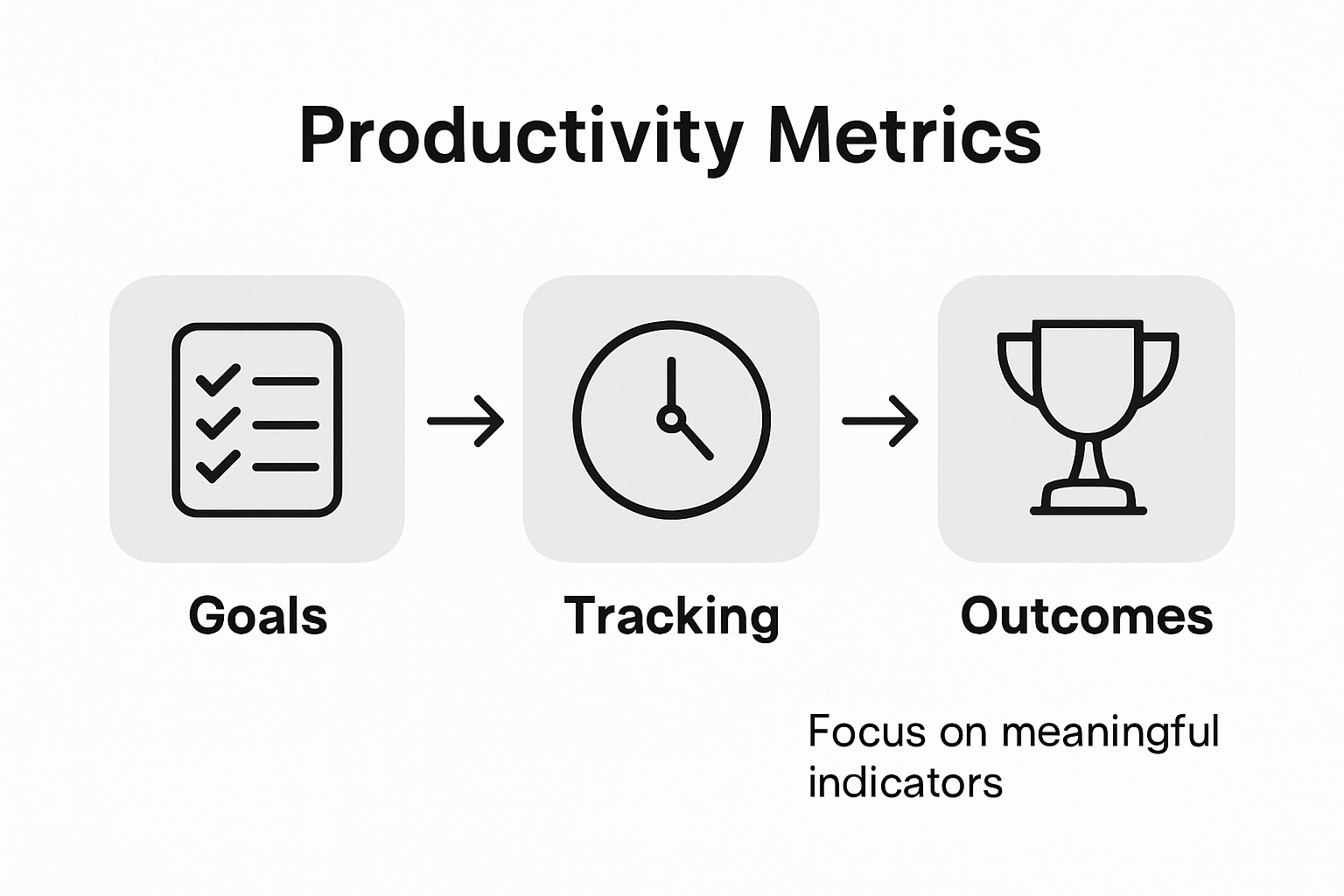
Develop a transparent performance tracking system that motivates rather than intimidates. Utilize digital dashboards that provide real time insights into individual and team progress. Create a culture where performance measurement is seen as a collaborative tool for growth, not a punitive mechanism. Encourage team members to set personal development goals that complement organizational objectives. Regularly review and adjust your metrics to ensure they remain relevant and meaningful.
Warning: Avoid over relying on metrics that can be easily manipulated. Focus on indicators that genuinely reflect value creation and team effectiveness, not just surface level productivity.
In the final step, you will learn how to sustain these performance optimization strategies for long term team success.
Unlock Lasting Team Productivity with Expert Agile Coaching
Struggling with unclear roles or fragmented workflows can drain your team’s energy and stall lasting results. This article highlights key challenges like lack of trust, ineffective communication, and complex processes that hold teams back from sustained high performance. If you want to move beyond these hurdles and build a truly agile, empowered team that embraces continuous learning and accountability, the right guidance can make all the difference.
Discover how Agile Coaching Archives – Tariq Juneja offers proven strategies to align team roles, foster open communication, and implement workflows that boost collaboration and adaptability.

Take the next step to transform your team’s productivity for the long term. Visit https://tariqjuneja.com to explore tailored coaching programs that unlock your team’s potential through transformational change. Discover insights from the Change Management Archives – Tariq Juneja and practical techniques that ensure you sustain momentum and growth. Book your free consultation today and start turning productivity challenges into lasting success.
Frequently Asked Questions
How can I define clear goals for my team to improve productivity?
To define clear goals for your team, conduct a team alignment meeting to establish specific, measurable objectives. Break down these goals into actionable tasks and assign them to individual team members based on their strengths and skills.
What techniques can I use to build trust and encourage communication among team members?
To build trust and encourage communication, model transparent and authentic behavior as a leader. Create structured opportunities for team members to share their thoughts, such as regular discussions and anonymous feedback channels, to foster an open and supportive environment.
How do I implement agile tools to enhance team workflows effectively?
To implement agile tools effectively, select collaborative project management tools that support real-time communication and task tracking. Break complex projects into manageable sprints and hold regular meetings to maintain clear accountability and continuous progress.
What strategies can I use to promote continuous learning within my team?
To promote continuous learning, establish mentorship programs and provide opportunities for skill enhancement, such as online courses or workshops. Encourage a growth mindset by celebrating failures as learning opportunities and hosting regular knowledge-sharing sessions.
How can I measure team performance to optimize productivity?
To measure team performance, establish clear key performance indicators (KPIs) that align with your goals and conduct regular performance reviews. Utilize a transparent tracking system to motivate team members and adjust metrics to ensure they reflect genuine contributions and growth.