

Self-coaching is shaking up how people approach personal growth. Most believe real progress requires an outside expert, but research shows otherwise. Studies reveal individuals who self-coach develop higher resilience, adaptability, and problem-solving abilities than those who only rely on professional help. This unexpected edge is giving self-starters a powerful advantage.
Table of Contents
- Defining Self-Coaching: An Introduction To The Concept
- The Importance Of Self-Coaching In Personal Development
- Key Principles And Frameworks Of Effective Self-Coaching
- How Self-Coaching Facilitates Continuous Learning And Growth
- Real-World Applications: Self-Coaching In Different Fields
Quick Summary
| Takeaway | Explanation |
|---|---|
| Self-coaching empowers personal growth. | It enables individuals to take charge of their learning and development through self-reflection and accountability. |
| Adopt a growth mindset for challenges. | Viewing challenges as opportunities fosters resilience and enhances problem-solving abilities in both personal and professional contexts. |
| Implement structured self-reflection techniques. | Regularly assessing progress and strategies allows for targeted improvements and sustained personal development. |
| Utilize self-coaching in diverse areas. | This approach can enhance performance and well-being in various fields, from career advancement to healthcare management. |
| Develop intrinsic motivation through self-coaching. | Building motivation from within encourages active engagement and accountability in pursuing personal and professional goals. |
Defining Self-Coaching: An Introduction to the Concept
Self-coaching represents a powerful personal development strategy where individuals take direct responsibility for their growth, learning, and transformation without relying exclusively on external guidance. According to psychological research, this approach empowers individuals to leverage their internal resources, critical thinking skills, and self-awareness to drive meaningful personal and professional advancement.
The Core Essence of Self-Coaching
At its fundamental level, self-coaching is about becoming your own guide, mentor, and strategic partner. Unlike traditional coaching, which involves an external professional providing direction, self-coaching requires individuals to develop introspective skills, ask challenging questions, and design personal development pathways independently.
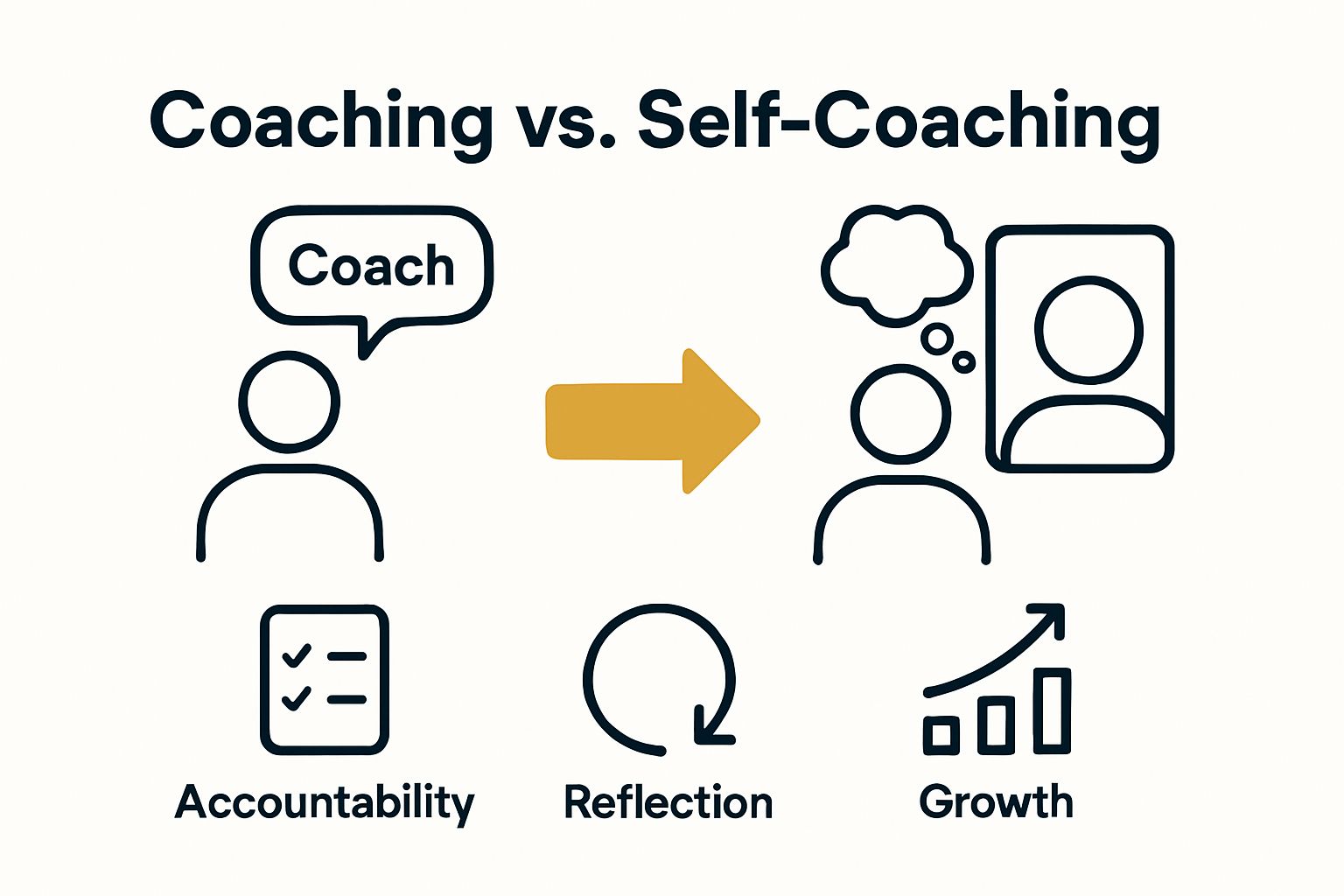 The primary goal is to cultivate self-awareness, accountability, and proactive problem-solving capabilities.
Key characteristics of effective self-coaching include:
- Developing a growth mindset that views challenges as opportunities
- Implementing systematic self-reflection techniques
- Creating structured personal development frameworks
- Maintaining consistent self-evaluation practices
Psychological Foundations and Benefits
The psychological underpinnings of self-coaching draw from cognitive behavioral approaches and positive psychology principles. Research indicates that individuals who engage in self-coaching demonstrate higher levels of personal agency, resilience, and adaptive problem-solving skills. By learning to diagnose personal challenges, design targeted interventions, and monitor progress, practitioners can significantly enhance their personal and professional effectiveness.
Below is a summary table outlining the key features and psychological benefits of self-coaching discussed in this section.
| Feature or Benefit | Description |
|---|---|
| Growth Mindset | Viewing challenges as opportunities for growth and learning |
| Self-Reflection | Regularly assessing one’s own actions, decisions, and progress |
| Accountability | Taking responsibility for personal growth and achieving goals |
| Problem-Solving Skills | Actively identifying and addressing challenges independently |
| Enhanced Resilience | Developing the ability to adapt and recover from setbacks |
| Increased Adaptability | Adjusting to new situations and information for continuous growth |
| Higher Personal Agency | Strengthening one’s capacity to initiate and direct change |
| Emotional Intelligence | Gaining awareness and regulation of emotions to improve decision-making |
For those interested in diving deeper into developing a coaching mindset, our comprehensive guide offers additional insights into the transformative potential of self-directed personal growth strategies.
The Importance of Self-Coaching in Personal Development
Self-coaching emerges as a transformative approach that empowers individuals to unlock their potential, drive personal growth, and achieve meaningful life objectives. According to psychological research, self-coaching plays a critical role in developing self-regulation, autonomy, and motivation, which are essential elements for sustainable personal development and effective life management.
Cultivating Personal Empowerment
Personal development through self-coaching goes beyond traditional learning methods by placing individuals at the center of their growth journey. This approach enables people to become active architects of their personal and professional transformation, rather than passive recipients of external guidance. The power of self-coaching lies in its ability to foster intrinsic motivation, critical self-reflection, and proactive problem-solving skills.
Key benefits of self-coaching include:
- Enhanced self-awareness and emotional intelligence
- Improved personal accountability
- Greater resilience in facing life challenges
- More effective goal-setting and achievement strategies
Psychological and Professional Impact
Research demonstrates that individuals who engage in consistent self-coaching practices develop stronger psychological resources to navigate complex personal and professional landscapes. This approach supports continuous learning, adaptability, and personal growth by encouraging individuals to regularly assess their progress, identify areas for improvement, and develop targeted strategies for advancement.
For professionals seeking to deepen their understanding of personal goal setting and development strategies, our comprehensive guide offers valuable insights into creating meaningful and achievable personal growth pathways.
Key Principles and Frameworks of Effective Self-Coaching
Self-coaching requires a structured yet flexible approach that transforms personal development from a passive experience into an active, intentional journey. According to coaching methodologies, successful self-coaching integrates systematic frameworks with personalized strategies that enable individuals to navigate their growth with precision and purpose.
Core Principles of Self-Coaching
At its foundation, effective self-coaching relies on several fundamental principles that guide personal transformation. These principles create a robust infrastructure for continuous learning and self-improvement. Practitioners must develop a commitment to honest self-assessment, embrace vulnerability, and maintain unwavering accountability for their personal growth trajectory.
Key principles include:
- Radical self-awareness and genuine introspection
- Consistent commitment to personal growth
- Embracing discomfort as a catalyst for development
- Maintaining a growth mindset and adaptability
Strategic Frameworks for Personal Development
Successful self-coaching demands implementing structured frameworks that translate insights into actionable strategies. These frameworks provide systematic approaches to identifying goals, understanding current realities, generating options, and creating committed action plans. The most effective self-coaching models emphasize continuous reflection, strategic planning, and measurable progress tracking.
Practitioners typically utilize frameworks that help them:
- Diagnose current personal and professional challenges
- Establish clear, meaningful development objectives
- Design targeted intervention strategies
- Monitor and adjust progress systematically
For professionals seeking deeper insights into advanced coaching techniques, our comprehensive guide explores strategic approaches to personal and professional transformation.
How Self-Coaching Facilitates Continuous Learning and Growth
Self-coaching transforms personal development into a dynamic, iterative process that empowers individuals to become active architects of their own learning and growth. According to research, this approach supports ongoing personal and professional evolution through systematic self-assessment and adaptive behavior modification.
The Cycle of Reflective Learning
Continuous learning through self-coaching operates as a sophisticated feedback mechanism where individuals consistently analyze their experiences, extract meaningful insights, and strategically apply newfound knowledge. This cyclical process creates a powerful engine of personal transformation, enabling practitioners to move beyond static learning models toward more responsive and personalized growth strategies.
Key elements of this reflective learning cycle include:
- Systematic self-observation and critical analysis
- Intentional extraction of learning from both successes and challenges
- Proactive adjustment of personal strategies
- Continuous recalibration of goals and approaches
Overcoming Learning Barriers Through Self-Coaching
Self-coaching provides unique mechanisms for transcending traditional learning obstacles by cultivating a growth mindset and developing robust personal accountability. The approach equips individuals with advanced metacognitive skills that enable them to recognize and navigate internal resistance, limiting beliefs, and performance plateaus. By creating a supportive internal dialogue and implementing structured self-reflection techniques, practitioners can consistently breakthrough personal development barriers.
For professionals seeking deeper insights into optimizing their learning journey, our comprehensive coaching process guide offers advanced strategies for continuous personal and professional growth.
Real-World Applications: Self-Coaching in Different Fields
Self-coaching transcends traditional boundaries, offering versatile strategies that can be applied across diverse professional and personal domains. According to healthcare research, self-coaching strategies demonstrate remarkable adaptability in fostering personal growth, performance enhancement, and resilient decision-making across multiple disciplines.
Professional Performance and Career Development
In professional contexts, self-coaching emerges as a powerful tool for career advancement and skill optimization. Individuals who implement systematic self-coaching approaches can strategically navigate complex workplace dynamics, identify skill gaps, and design targeted personal development plans. This method enables professionals to take proactive control of their career trajectories, transforming passive career management into an intentional, strategic process.
Key applications in professional settings include:
- Leadership skill enhancement
- Performance improvement strategies
- Personal brand development
- Strategic career progression planning
Healthcare and Personal Wellness
Beyond professional realms, self-coaching demonstrates significant potential in personal wellness and healthcare management. Practitioners utilize self-coaching techniques to develop more engaged, accountable approaches to their physical and mental health. By cultivating intrinsic motivation and implementing structured self-assessment protocols, individuals can effectively manage chronic conditions, improve lifestyle choices, and maintain long-term health goals.
Key wellness applications involve:
The following table compares the application areas of self-coaching in professional and personal wellness contexts, as detailed in this section.
| Application Area | Professional Performance & Career Development | Healthcare & Personal Wellness |
|---|---|---|
| Key Uses | Leadership skill enhancement | Chronic disease self-management |
| Performance improvement strategies | Mental health resilience building | |
| Personal brand development | Lifestyle modification strategies | |
| Career progression planning | Stress reduction and emotional regulation | |
| Main Focus | Strategic career and skill growth | Self-management of health and well-being |
| Benefits | Proactive control over career trajectory | Improved accountability for health outcomes |
| Skill gap identification | Sustained motivation for lifestyle goals |
- Chronic disease self-management
- Mental health resilience building
- Lifestyle modification strategies
- Stress reduction and emotional regulation
For professionals seeking deeper insights into understanding coaching mechanisms, our comprehensive guide explores coaching effectiveness across various personal and professional domains.

Unlock the Power of Personal Growth with Expert Self-Coaching Support
Taking charge of your personal growth through self-coaching is a bold step, but it can be overwhelming to navigate reflective learning, accountability, and transformation on your own. If you struggle with maintaining momentum, building self-awareness, or translating insights into action, you are not alone. This is where tailored support and hands-on expertise make all the difference. Explore more strategies for success on our Life Coaching collection and get inspired by actionable tools that reinforce the principles of self-awareness, self-reflection, and intentional change highlighted in this article.

Ready to turn awareness into action? Discover how Tariq Juneja’s trusted coaching programs at https://tariqjuneja.com can help you break through your barriers, set meaningful goals, and unlock your full potential today. Take the next step toward lasting growth by booking a complimentary consultation or exploring our expert resources designed for people who refuse to settle. Your journey to empowered self-coaching starts now.
Frequently Asked Questions
What is self-coaching for personal growth?
Self-coaching for personal growth is a method where individuals take charge of their own development without relying solely on external guidance. To start self-coaching, reflect on your current goals and identify specific areas where you want to improve over the next 30 days.
How can I implement self-coaching in my daily routine?
To implement self-coaching in your daily routine, set aside dedicated time for self-reflection and goal setting. For instance, spend 15-30 minutes each day journaling about your progress and challenges.
What are some effective self-reflection techniques for self-coaching?
Effective self-reflection techniques include asking yourself targeted questions, maintaining a journal, and using structured frameworks to evaluate your progress. Begin by identifying three questions each week that challenge your thinking and personal growth.
How do I create a personal development plan using self-coaching?
To create a personal development plan using self-coaching, outline your goals, current challenges, and actionable steps towards improvement. Aim to define at least three specific actions you can take within the next month to start working toward these goals.
What are the benefits of self-coaching compared to traditional coaching?
The benefits of self-coaching include greater autonomy, increased self-awareness, and enhanced ability to problem-solve independently. Focus on adopting a growth mindset to maximize these benefits, and track your progress over several weeks to see tangible changes in your personal growth.
How can I measure my progress in self-coaching?
You can measure your progress in self-coaching by establishing clear benchmarks and regularly reviewing your achievements against them. Set aside time every month to assess your progress, noting specific improvements or areas that need further focus.