

Did you know that projects with strong stakeholder engagement are up to 20 percent more likely to succeed than those without it? Building trust and clear communication with everyone who has a stake in your work can make the difference between missed targets and outstanding results. Understanding how to identify, connect, and collaborate with stakeholders gives teams a real edge in achieving their goals while minimizing risks and surprises.
Table of Contents
- Defining Stakeholder Management And Its Importance
- Types Of Stakeholders And Their Roles
- The Stakeholder Management Process Step-By-Step
- Critical Skills Needed For Effective Management
- Common Challenges And Mistakes To Avoid
Key Takeaways
| Point | Details |
|---|---|
| Importance of Stakeholder Management | Effective stakeholder management enhances communication, mitigates risks, aligns project goals with stakeholder expectations, and improves decision-making. |
| Types of Stakeholders | Stakeholders are categorized into internal (primary) and external (secondary), each influencing an organization’s operations differently. |
| Stakeholder Management Process | The process includes identification, analysis, engagement strategy development, and continuous monitoring to effectively manage stakeholder relationships. |
| Critical Skills Required | Key skills for successful stakeholder management include communication, emotional intelligence, strategic thinking, and negotiation capabilities. |
Defining Stakeholder Management and Its Importance
Stakeholder management is a strategic approach that involves identifying, understanding, and effectively engaging with individuals or groups who have a vested interest in an organization’s activities, projects, or outcomes. According to GeeksforGeeks, effective stakeholder management is crucial for project success, helping organizations understand expectations, mitigate risks, and align project objectives with stakeholder needs.
At its core, stakeholder management is about creating and maintaining positive relationships with key individuals and groups who can significantly impact or be impacted by an organization’s work. As Wikipedia explains, this process involves systematically identifying, analyzing, and engaging with stakeholders to ensure smooth project execution and positive outcomes.
The importance of stakeholder management cannot be overstated. It provides organizations with critical benefits:
- Enhanced Communication: Creates clear channels for dialogue and understanding
- Risk Mitigation: Helps anticipate and address potential challenges early
- Strategic Alignment: Ensures project goals match stakeholder expectations
- Improved Decision Making: Incorporates diverse perspectives into organizational strategy
Professionals who master stakeholder management recognize it as more than a procedural task. It’s a nuanced art of building trust, managing expectations, and creating collaborative environments where mutual success becomes possible. Learn more about stakeholder engagement to deepen your understanding of these critical professional skills.
Types of Stakeholders and Their Roles
Stakeholders are diverse groups with varying levels of influence and involvement in an organization’s activities. According to Wikipedia, stakeholders can be broadly categorized into primary (internal) stakeholders and secondary (external) stakeholders, each playing a unique and critical role in an organization’s ecosystem.
Internal stakeholders are directly connected to the organization’s operations and success. Kotak highlights that these typically include employees and investors who have a direct financial and operational stake in the organization. Their interests are closely aligned with the company’s performance and strategic direction.
External stakeholders represent a broader network of individuals and groups indirectly impacted by the organization’s activities. These stakeholders include:
- Customers: Who consume products or services
- Suppliers: Who provide essential resources and materials
- Community Members: Affected by the organization’s operational footprint
- Government Agencies: Responsible for regulatory oversight
- Media: Who communicate about the organization’s activities
- Environmental Groups: Monitoring organizational sustainability practices
Understanding these stakeholder types is crucial for developing comprehensive stakeholder management strategies. Each group brings unique perspectives, expectations, and potential influences that can significantly impact an organization’s reputation, performance, and long-term sustainability.
IMAGE:descriptive_key_1] [Learn more about stakeholder engagement to develop a more nuanced approach to managing these critical relationships.
Here’s a summary of the main types of stakeholders and their key roles:
| Stakeholder Type | Examples | Typical Roles & Interests |
|---|---|---|
| Internal (Primary) | Employees Investors |
Direct operational impact Financial investment |
| External (Secondary) | Customers Suppliers Community Government Media Environmental Groups |
Product/service use Resource provision Regulatory oversight Public perception Sustainability concerns |
The Stakeholder Management Process Step-by-Step
Stakeholder management is a systematic approach that requires careful planning and execution. Wikipedia outlines a comprehensive process that involves four critical stages designed to effectively engage and manage stakeholder relationships throughout a project’s lifecycle.
According to GeeksforGeeks, the stakeholder management process can be broken down into key strategic steps:
- Stakeholder Identification
- Map out all potential individuals and groups impacted by the project
- Create a comprehensive stakeholder registry
- Include both internal and external stakeholders
- Stakeholder Analysis
- Assess each stakeholder’s level of influence
- Determine their potential impact on project outcomes
- Understand their specific interests and expectations
- Prioritize stakeholders based on their power and importance
- Engagement Strategy Development
- Design tailored communication approaches
- Create personalized engagement plans
- Establish clear communication channels
- Develop strategies to address potential concerns
- Continuous Monitoring and Adaptation
- Regularly review stakeholder relationships
- Track changes in stakeholder perspectives
- Adjust strategies based on ongoing feedback
- Maintain flexible and responsive engagement methods
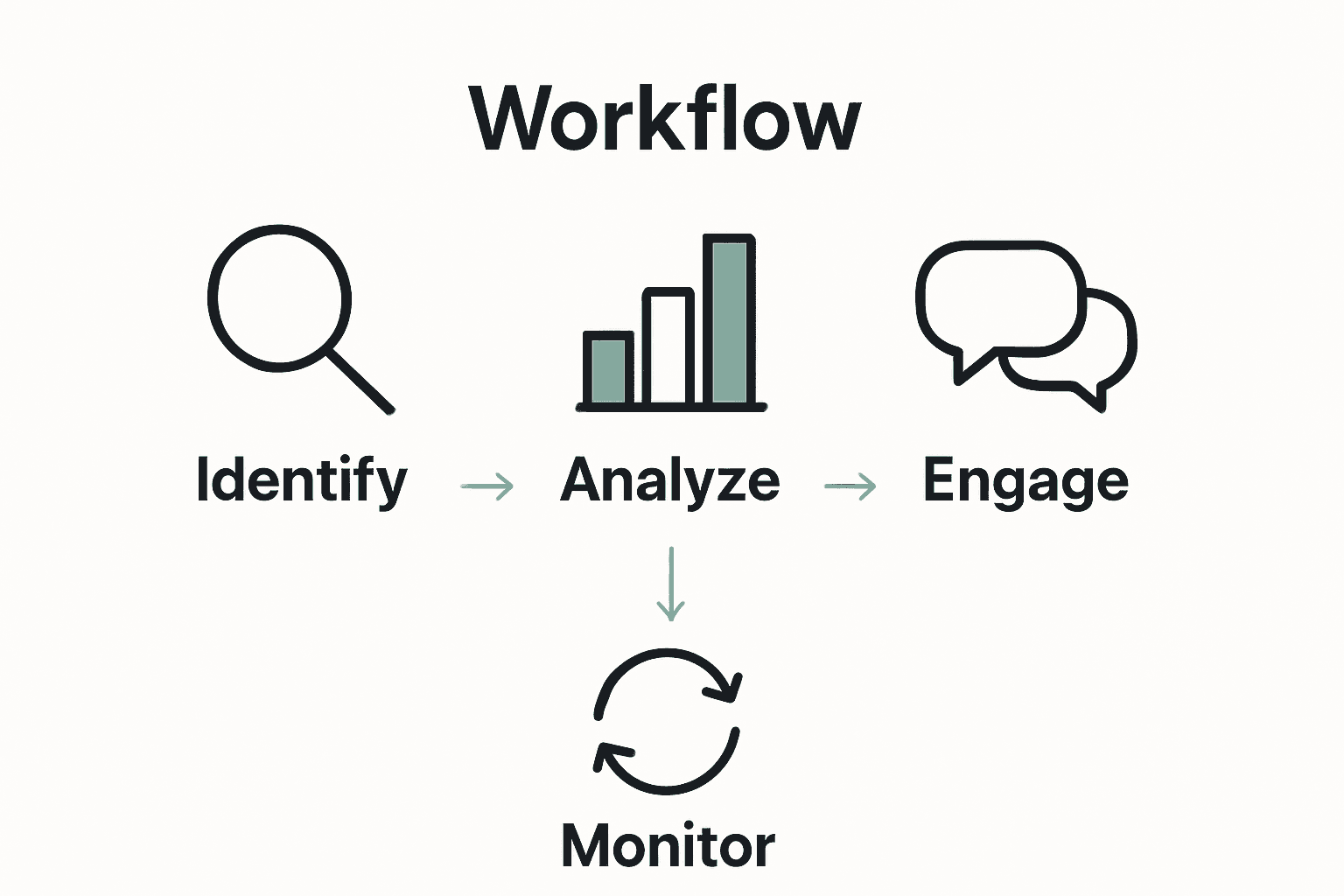
Successful stakeholder management is not a one-time event but an ongoing process of building and maintaining relationships.
VIDEO:video_content] [Learn more about stakeholder engagement to refine your approach and create more meaningful, productive interactions across your professional ecosystem.
Critical Skills Needed for Effective Management
Stakeholder management demands a sophisticated set of interpersonal and strategic skills that go far beyond traditional management techniques. GeeksforGeeks highlights that effective stakeholder management requires a comprehensive skill set focused on building and maintaining complex relationships.
Wikipedia identifies several critical skills essential for successful stakeholder management:
-
Communication Skills
- Active and empathetic listening
- Clear and concise message delivery
- Adapting communication style to different stakeholders
-
Emotional Intelligence
- Understanding stakeholder motivations
- Managing interpersonal dynamics
- Recognizing and navigating emotional nuances
-
Strategic Thinking
- Analyzing complex stakeholder landscapes
- Anticipating potential challenges
- Developing proactive engagement strategies
-
Negotiation Capabilities
- Finding mutually beneficial solutions
- Balancing competing interests
- Creating win-win scenarios
Professionals looking to enhance their stakeholder management capabilities should focus on continuous skill development. Explore personal development goals for leaders to create a comprehensive approach to professional growth and relationship management. Mastering these skills transforms stakeholder management from a tactical process into a strategic advantage.
Common Challenges and Mistakes to Avoid
Stakeholder management is fraught with potential pitfalls that can derail even the most well-intentioned projects. Wikipedia identifies several critical challenges that professionals must navigate carefully, warning that misidentifying stakeholders or underestimating their influence can lead to significant project complications.
GeeksforGeeks highlights the most common critical mistakes in stakeholder management:
- Misidentification of Stakeholders
- Overlooking key stakeholders
- Assuming stakeholder groups are static
- Failing to conduct comprehensive stakeholder mapping
- Poor Communication Strategies
- Using one-size-fits-all communication approaches
- Inconsistent messaging
- Neglecting stakeholder preferred communication channels
- Lack of transparency
- Inadequate Engagement Techniques
- Treating stakeholders as passive recipients
- Insufficient follow-up and feedback mechanisms
- Ignoring stakeholder perspectives and concerns
- Minimal effort in relationship building
- Overlooking Stakeholder Dynamics
- Failing to understand complex stakeholder relationships
- Underestimating potential conflicts of interest
- Not anticipating shifts in stakeholder priorities
- Ignoring power dynamics within stakeholder groups
Learn more about management coaching techniques to develop more nuanced approaches to stakeholder engagement and avoid these common pitfalls. Recognizing and proactively addressing these challenges can transform potential obstacles into opportunities for meaningful collaboration.
Master Stakeholder Management with Expert Coaching
Struggling to navigate complex stakeholder relationships or worried about miscommunication sabotaging your projects? This “Stakeholder Management: Complete Guide for Professionals” article highlights the critical need for clear engagement strategies, continuous monitoring, and emotional intelligence to avoid common pitfalls. If you want to transform these challenges into your greatest strengths and build lasting collaborations that propel your projects forward, expert guidance can make all the difference.
Take control of your stakeholder interactions today by partnering with a seasoned professional coach. At Tariq Juneja’s website, you can access tailored coaching programs designed to sharpen your communication skills, develop strategic thinking, and expand your emotional intelligence. Whether you want to reduce project risks or increase alignment among diverse stakeholders, booking a free consultation is the first step towards agile transformation and personal growth. Learn more about how to enhance your capabilities in personal development goals for leaders and explore powerful new strategies for stakeholder engagement. Visit https://tariqjuneja.com now and begin turning stakeholder challenges into lasting success.
Frequently Asked Questions
What is stakeholder management?
Stakeholder management is a strategic approach to identifying, understanding, and engaging with individuals or groups who have a vested interest in an organization’s activities or outcomes. It involves creating positive relationships that can impact project success.
Why is stakeholder management important?
Stakeholder management is crucial for project success as it enhances communication, mitigates risks, aligns project goals with stakeholder expectations, and improves decision-making processes by incorporating diverse perspectives.
What are the main types of stakeholders?
Stakeholders are categorized into internal (primary) and external (secondary) stakeholders. Internal stakeholders include employees and investors, while external stakeholders encompass customers, suppliers, community members, government agencies, media, and environmental groups.
What are the steps involved in the stakeholder management process?
The stakeholder management process includes four critical steps: 1) Stakeholder Identification, 2) Stakeholder Analysis, 3) Engagement Strategy Development, and 4) Continuous Monitoring and Adaptation. These steps help foster effective management of stakeholder relationships throughout a project’s lifecycle.