

Over 30 million American entrepreneurs are searching for tailored business coaching, yet most struggle to stand out in a crowded field. Choosing the right coaching niche and building a meaningful online presence are more important than ever for anyone eager to make a lasting impact. This guide breaks down proven steps for American business coaches, from defining your unique expertise to securing your first clients and sustaining true professional growth.
Table of Contents
- Step 1: Define Your Business Coaching Niche
- Step 2: Develop Your Coaching Framework and Services
- Step 3: Build Your Online Presence and Authority
- Step 4: Set Up Legal Structure and Client Agreements
- Step 5: Launch Your Coaching Business and Secure Clients
- Step 6: Evaluate Results and Refine Your Approach
Quick Summary
| Essential Insight | Clarification |
|---|---|
| 1. Define Your Coaching Niche | Identify your unique strengths and market needs to target specific client demographics effectively. |
| 2. Develop a Coaching Framework | Create a structured yet flexible coaching methodology that integrates theory with practical approaches for client success. |
| 3. Build Your Online Presence | Establish a comprehensive digital strategy to showcase your expertise and attract potential clients through various platforms. |
| 4. Set Up Legal and Client Agreements | Formulate clear client contracts and choose a suitable business structure to protect your coaching practice legally. |
| 5. Continuously Evaluate and Refine | Regularly assess client feedback and coaching outcomes to adapt and enhance your services for improved effectiveness. |
Step 1: Define Your Business Coaching Niche
Choosing the right business coaching niche determines your entire entrepreneurial trajectory. Strategic specialization allows you to target specific client needs and differentiate yourself in a competitive market. Selecting a focused coaching area requires thoughtful analysis of your skills, passions, and market opportunities.
Start by conducting a comprehensive personal skills assessment. Examine your professional background, unique expertise, and areas where you have demonstrated consistent success. Consider industries where you have deep knowledge or transformational experience. Some potential niches include startup leadership coaching, executive performance optimization, small business scaling strategies, or industry specific consulting like technology, healthcare, or finance management.
Research potential target markets carefully. Look for underserved segments with clear coaching needs and clients willing to invest in professional development. Validate your niche by speaking with potential clients, reviewing market trends, and understanding specific pain points businesses experience. Your niche should represent an intersection between your strengths, market demand, and genuine passion for driving meaningful professional transformation.
Warning: Avoid choosing a niche solely based on perceived profitability. Authenticity and genuine expertise will ultimately distinguish you as a valuable business coach.
Step 2: Develop Your Coaching Framework and Services
Building a robust coaching framework is crucial for delivering consistent and transformative value to your clients. Innovative coaching approaches demonstrate that successful frameworks integrate theoretical knowledge with practical application, creating a structured yet adaptable methodology for professional growth.

Start by mapping out a comprehensive service model that addresses specific client challenges. Design a clear progression of coaching interactions that includes initial assessment, goal setting, strategic interventions, and measurement of outcomes. Your framework should outline specific techniques like diagnostic tools, performance metrics, feedback mechanisms, and personalized action planning. Consider developing tiered service packages that accommodate different client needs such as individual coaching sessions, group workshops, leadership retreats, or ongoing strategic consulting.
Leverage technology and contemporary research to enhance your coaching services. Emerging AI technologies can provide advanced diagnostic tools and personalization capabilities that elevate your coaching effectiveness. Document your unique methodology, create standardized yet flexible templates, and develop proprietary assessment instruments that distinguish your approach from generic coaching services.
Warning: Avoid creating an overly rigid framework. The most successful coaching approaches maintain structured principles while allowing room for customization and client specific adaptations.
Step 3: Build Your Online Presence and Authority
Establishing a strong digital footprint is essential for attracting potential coaching clients and demonstrating your professional expertise. Professional coaching publications highlight the importance of creating a comprehensive online strategy that showcases your unique value proposition and professional credentials.
Develop a multi-channel digital presence that combines professional networking, content marketing, and strategic personal branding. Create a professional website that clearly articulates your coaching philosophy, service offerings, and client success stories. Leverage platforms like LinkedIn to share industry insights, publish thought leadership articles, and connect with potential clients. Start a professional blog or podcast where you can demonstrate your expertise through in depth analysis, case studies, and practical coaching strategies. Consider creating video content on YouTube or developing webinars that provide actionable insights for your target audience.
Adopt advanced technological tools to enhance your online authority and efficiency. AI powered research and content creation tools can help you generate high quality content, streamline administrative tasks, and maintain a consistent online presence. Develop a content calendar, engage regularly with your audience through comments and direct messages, and continuously refine your digital strategy based on audience feedback and engagement metrics.
Warning: Authenticity matters more than volume. Focus on creating meaningful content that genuinely helps your target audience rather than simply increasing your online visibility.
Step 4: Set Up Legal Structure and Client Agreements
Establishing a solid legal foundation is critical for protecting your business coaching practice and maintaining professional credibility. Comprehensive legal frameworks highlight the importance of creating robust systems that address potential risks and establish clear operational boundaries for your coaching business.
Begin by selecting an appropriate business structure that provides personal liability protection and tax advantages. Consult with a business attorney or tax professional to determine whether a Limited Liability Company (LLC), S Corporation, or sole proprietorship best suits your specific needs. Develop comprehensive client agreements that clearly outline service scope, expectations, payment terms, confidentiality provisions, and cancellation policies. Your contract should include detailed descriptions of coaching services, session frequencies, communication protocols, and performance measurement criteria.
Intellectual capital considerations underscore the importance of protecting your unique coaching methodology and intellectual property. Register your business name, obtain necessary local and state business licenses, and consider professional liability insurance to safeguard your practice. Create standardized documentation including intake forms, coaching contracts, confidentiality agreements, and progress tracking templates that demonstrate your professionalism and commitment to ethical practice.
Warning: Never use generic contract templates without customization. Each agreement should reflect your specific coaching approach and address the unique needs of your individual client relationships.
Step 5: Launch Your Coaching Business and Secure Clients
Successfully launching your business coaching practice requires a strategic approach to attracting and converting potential clients. Effective coaching intervention strategies demonstrate that targeted engagement and clear value proposition are critical to establishing a thriving coaching business.
Initiate your client acquisition strategy by leveraging your professional network and creating multiple touchpoints for potential clients. Develop a comprehensive outreach plan that includes targeted networking events, speaking engagements, professional associations, and strategic referral partnerships. Create compelling marketing materials that showcase your unique coaching methodology, including case studies, testimonial videos, and detailed service descriptions. Offer initial consultation sessions or complimentary strategy calls that provide tangible value and demonstrate your expertise. Implement a robust follow up system that nurtures leads through personalized communication and consistent value delivery.
Systematic coaching implementation models emphasize the importance of developing a structured approach to client engagement. Design tiered service packages that accommodate different client budgets and needs, ranging from individual coaching sessions to comprehensive leadership development programs. Utilize digital marketing channels including LinkedIn, targeted email campaigns, and content marketing to establish your thought leadership and attract potential clients. Track your conversion metrics carefully and continuously refine your approach based on client feedback and engagement results.
Warning: Do not rely solely on passive marketing techniques. Active relationship building and demonstrating genuine value are the most effective ways to secure and retain coaching clients.
Step 6: Evaluate Results and Refine Your Approach
Continuous improvement is the cornerstone of a successful business coaching practice. Comprehensive coaching competency frameworks emphasize the importance of systematic evaluation and strategic adaptation to enhance coaching effectiveness and client outcomes.
Develop a robust performance measurement system that tracks multiple dimensions of coaching success. Implement client satisfaction surveys, progress tracking mechanisms, and quantitative performance metrics that demonstrate the tangible value of your coaching interventions. Analyze key indicators such as client goal achievement rates, behavioral changes, business performance improvements, and subjective feedback. Use standardized assessment tools and create detailed reports that showcase your coaching impact. Schedule regular review sessions with clients to discuss their progress, validate your coaching strategies, and identify areas for potential refinement.
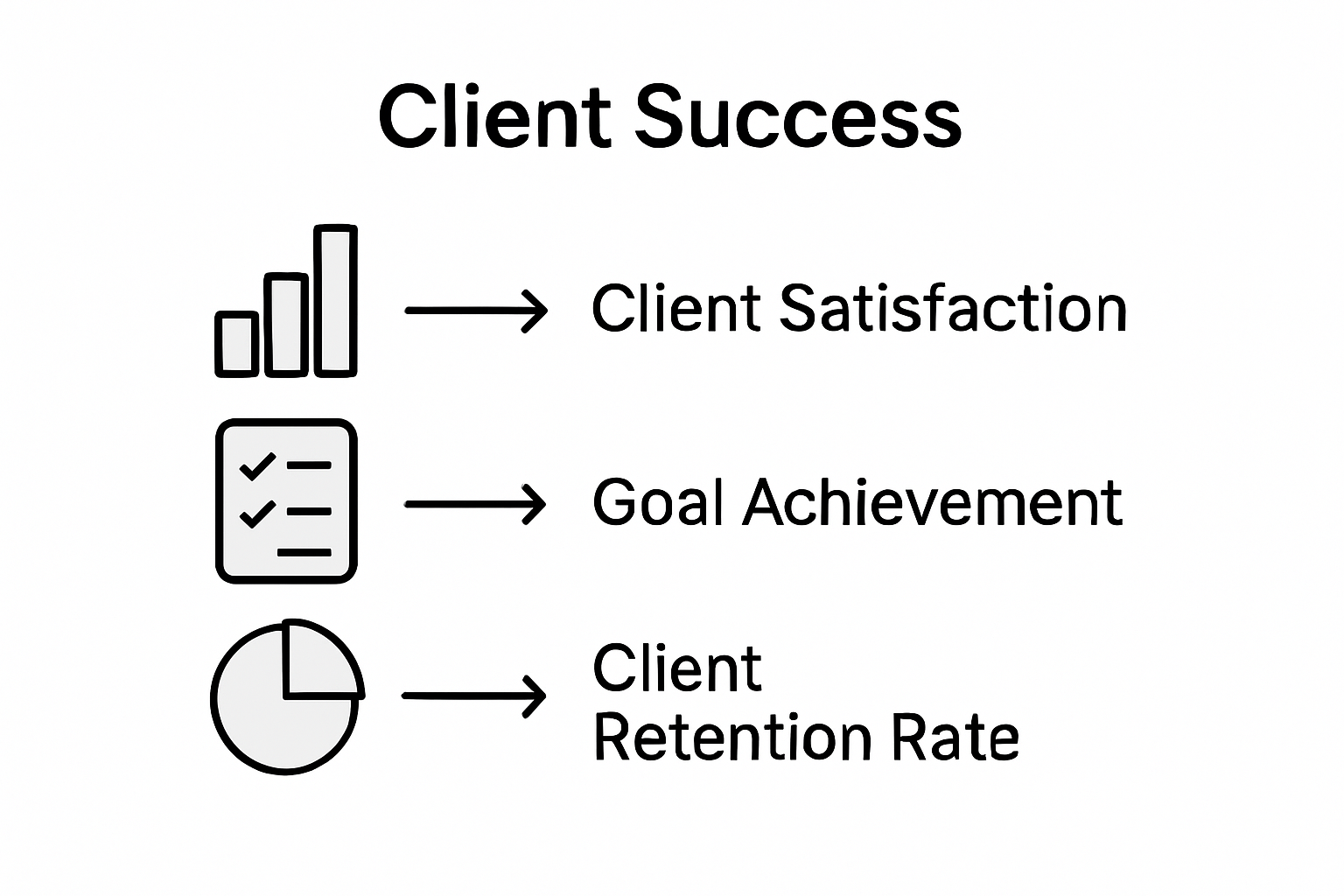
Strategic coaching evaluation approaches highlight the significance of data driven decision making in professional coaching. Maintain a comprehensive portfolio of client case studies, testimonials, and measurable outcomes that substantiate your coaching methodology. Continuously educate yourself through professional development programs, peer supervision, and advanced training to stay current with emerging coaching techniques and industry best practices. Remain agile and willing to adjust your approach based on empirical evidence and client feedback.
Warning: Avoid becoming complacent or assuming that your initial coaching methods will remain universally effective. The most successful coaches embrace continuous learning and adaptation.
Transform Your Business Coaching Dream into Reality Today
Starting a business coaching practice demands strategic clarity, a tailored coaching framework, and effective client engagement—all challenges thoroughly explored in the article. If you feel overwhelmed by defining your niche, building your online presence, or securing clients with authenticity and impact, you are not alone. Many aspiring coaches struggle to balance structure with flexibility while maintaining genuine connection with clients. By embracing proven agile methods and transformational change strategies, you can gain a competitive edge and launch a coaching business that truly resonates.
Discover how Agile Coaching Archives – Tariq Juneja offers insights into adaptive coaching frameworks that enhance client outcomes. Learn about Change Management Archives – Tariq Juneja to understand the mindset shifts essential for coaching success. Visit https://tariqjuneja.com to explore personalized coaching programs designed to help you increase productivity, reduce stress, and embrace transformational growth.
Ready to turn your business coaching vision into a thriving practice that makes a meaningful difference? Act now to book a free consultation and access exclusive coaching resources tailored to your unique journey at https://tariqjuneja.com. Your path to authentic coaching success starts here.
Frequently Asked Questions
What niche should I choose for my business coaching business?
Choosing a niche is vital for your success. Start by evaluating your skills, passions, and market opportunities to identify areas where you have expertise and see demand. Consider focusing on specific areas like startup leadership or small business scaling.
How do I develop a coaching framework for my clients?
To create a coaching framework, outline how you will address client challenges over time. Map out a structured process that includes assessment, goal setting, interventions, and measuring outcomes to ensure consistency and effectiveness in your coaching.
What is the best way to establish my online presence as a business coach?
Establishing your online presence involves creating a professional website and engaging on social media platforms, particularly LinkedIn. Share your coaching philosophy and client success stories to showcase your expertise and attract potential clients.
How can I protect my coaching business legally?
To legally protect your coaching business, select an appropriate business structure and create comprehensive client agreements. Consult with a legal professional to ensure your contracts cover service scope, confidentiality, and cancellation policies that suit your practice.
What strategies should I use to launch my coaching business?
Launching your business requires a strategic approach to client acquisition. Utilize your professional network, attend networking events, and offer initial consultation sessions to demonstrate your expertise and convert leads into paying clients.
How do I measure the success of my coaching sessions?
You can measure the success of your coaching sessions by implementing client satisfaction surveys and tracking progress against predefined goals. Regularly review performance indicators and adjust your coaching strategies based on client feedback to increase effectiveness.