

Over 60 percent of American managers say that tracking employee productivity is a major challenge. Knowing where your team stands can make or break your business results. Without clear data and dependable feedback, you risk missing out on valuable growth opportunities. This guide will show proven strategies to help American businesses accurately assess productivity, set clear expectations, implement agile work practices, and build lasting accountability for long term performance gains.
Table of Contents
- Step 1: Assess Current Productivity Levels
- Step 2: Set Clear Goals and Expectations
- Step 3: Implement Agile Work Processes
- Step 4: Foster a Culture of Accountability
- Step 5: Monitor Progress and Optimize Continuously
Quick Summary
| Key Insight | Explanation |
|---|---|
| 1. Assess Productivity Levels | Measure both quantitative data and qualitative feedback to understand current team productivity and identify areas for improvement. |
| 2. Set Clear Goals | Establish specific, measurable, achievable, relevant, and time-bound (SMART) goals to align team efforts with organizational objectives. |
| 3. Implement Agile Processes | Adopt agile methodologies for more flexibility and collaboration, allowing teams to adapt quickly to changes and improve productivity continuously. |
| 4. Foster Accountability Culture | Create systems for clarifying expectations and recognizing accountable behaviors, empowering employees to take ownership of their work and outcomes. |
| 5. Monitor and Optimize Progress | Use real-time tracking and regular reviews to evaluate progress, enabling teams to identify growth opportunities and adjust strategies as needed. |
Step 1: Assess Current Productivity Levels
To kickstart your journey toward boosting business performance, you need a clear understanding of where your team currently stands. Assessing productivity levels provides the critical baseline measurement that will inform all future improvement strategies.
Managerial evaluation starts with comprehensive performance tracking. Managers can gauge employee productivity by measuring multiple dimensions, including tasks completed, results achieved, working habits, and peer feedback. Instead of fixating solely on hours worked, focus on actual output and key performance indicators. This means analyzing metrics like average sales turnover per employee, profit generated, and value added to the organization.
Start by collecting quantitative data through performance management systems. Track individual and team metrics such as project completion rates, quality of work, client satisfaction scores, and revenue generated. Supplement these numbers with qualitative assessments through regular one-on-one meetings, performance reviews, and 360-degree feedback mechanisms. The goal is to create a holistic view of productivity that goes beyond simple numerical measurements.
Pro tip: Create a standardized productivity assessment template that includes both quantitative metrics and qualitative observations to ensure consistent and fair evaluation across your entire organization.
Here’s a comparison of quantitative vs. qualitative productivity assessments:
| Assessment Type | Main Focus | Common Metrics/Tools | Business Impact |
|---|---|---|---|
| Quantitative | Measurable outputs and numbers | Sales, revenue, KPIs | Drives data-based goal setting |
| Qualitative | Behaviors, feedback, attitudes | Reviews, 1-on-1s, surveys | Enhances understanding of team dynamics |
Step 2: Set Clear Goals and Expectations
Establishing well-defined goals and expectations is crucial for driving employee productivity and aligning individual efforts with organizational objectives. This step transforms abstract aspirations into concrete, actionable strategies that motivate and guide your team.

Effective goal setting requires creating objectives that are specific, measurable, achievable, relevant, and time-bound. Start by developing goals that connect directly to your organization’s broader mission and departmental targets. Each team member should understand how their individual contributions impact overall business success. Break down larger organizational goals into smaller, manageable milestones that employees can realistically achieve.
When crafting goals, focus on results rather than activities. Engage employees in collaborative goal-setting discussions that allow them to provide input and feel ownership of their objectives. This approach not only increases motivation but also ensures that goals are realistic and aligned with individual capabilities. Consider implementing regular check-ins to review progress, provide feedback, and adjust goals as needed. These conversations help maintain accountability and demonstrate your commitment to supporting employee growth and development.
Pro tip: Create a goal tracking system that visualizes progress and allows employees to see how their individual achievements contribute to larger team and organizational objectives.
Step 3: Implement Agile Work Processes
Transforming your organizational workflow requires adopting agile methodologies that promote flexibility, collaboration, and continuous improvement. This step focuses on restructuring how your team approaches work to maximize productivity and responsiveness.
Effective agile implementation begins with setting clear expectations and creating a framework for team communication. Start by breaking down traditional hierarchical structures and embracing iterative work cycles. Introduce regular stand-up meetings, sprint planning sessions, and retrospective discussions that allow team members to quickly adapt to changing priorities. Implement tools that support real-time collaboration, such as project management platforms that enable transparent tracking of tasks, progress, and individual contributions.
Empower your team by decentralizing decision making and encouraging cross functional collaboration. Create an environment where employees can self organize and take ownership of their work processes. This means developing clear guidelines while simultaneously providing the autonomy for team members to innovate and solve problems creatively. Regularly review and adjust your agile processes, gathering feedback from team members to continuously refine your approach and remove any barriers to productivity.
Pro tip: Invest in agile training for team leaders and members to ensure everyone understands the principles and practical application of agile methodologies in your specific organizational context.
This summary highlights agile work process elements and their benefits:
| Agile Element | Example Practice | Key Benefit |
|---|---|---|
| Iterative Work Cycles | Sprint planning | Rapid adaptation to change |
| Decentralized Decisions | Team self-organization | Faster problem-solving |
| Real-Time Collaboration | Digital platforms | Transparency and accountability |
Step 4: Foster a Culture of Accountability
Building a culture of accountability transforms team dynamics by establishing clear expectations and creating a shared commitment to organizational goals. This step is about empowering employees to take ownership of their work and results while providing the support needed for consistent performance.
Creating a robust accountability framework requires systematically clarifying performance expectations for each team member. Begin by developing transparent performance metrics that are specific, measurable, and aligned with broader organizational objectives. Implement regular check-ins where team members openly discuss their progress, challenges, and achievements. These conversations should focus on constructive feedback and collaborative problem solving rather than punitive measures.
Encourage a psychological safety environment where employees feel comfortable admitting mistakes and taking calculated risks. This means recognizing and rewarding accountability behaviors such as proactive communication, meeting commitments, and demonstrating personal responsibility. Use performance management tools that track individual and team progress while providing clear visibility into goals and outcomes. Ensure that accountability is a two way street by also holding leadership accountable for providing the resources, training, and support necessary for employee success.
Pro tip: Design a recognition system that publicly acknowledges team members who consistently demonstrate accountability, using specific examples that highlight both individual and collaborative achievements.
Step 5: Monitor Progress and Optimize Continuously
Successful performance management requires a dynamic approach that goes beyond simple tracking to create a responsive and adaptive organizational ecosystem. This step focuses on developing a systematic method for ongoing evaluation and strategic improvement.
Implementing a robust goal setting and development plan helps organizations align individual performance with broader strategic objectives. Create a comprehensive tracking system that allows real time visibility into team and individual progress. Utilize performance dashboards that provide actionable insights, highlighting key metrics such as task completion rates, quality of work, and contribution to organizational goals. Schedule regular review meetings that are not just about assessing past performance but about identifying opportunities for growth and addressing potential barriers to success.
Embrace a data driven approach to continuous optimization. This means collecting both quantitative and qualitative feedback from multiple sources including peer reviews, self assessments, and customer impact metrics. Develop a culture of continuous learning where performance data is used constructively to support professional development rather than as a punitive measure. Be prepared to adjust strategies quickly, reallocate resources, and provide targeted training or support based on the insights you gather. Remember that optimization is an ongoing process that requires flexibility, open communication, and a commitment to individual and collective growth.
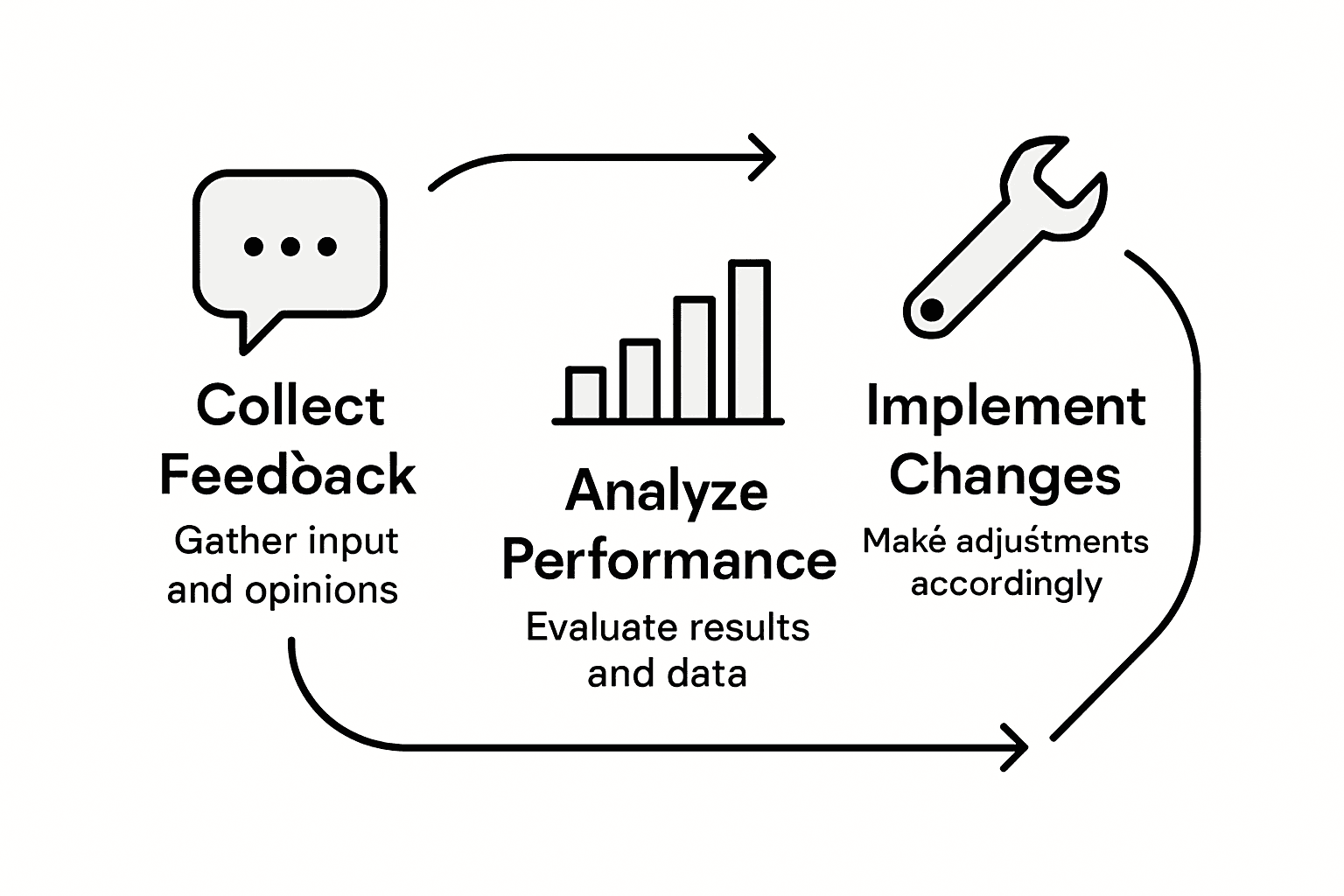
Pro tip: Implement a quarterly review cycle with structured feedback mechanisms that allow for rapid adjustments and personalized development plans for each team member.
Unlock Your Team’s Potential with Expert Agile Coaching
Struggling to boost employee productivity despite your best efforts? This article highlights key challenges like setting clear goals, fostering accountability, and embracing agile work processes — all vital steps for sustainable business growth. If you want to transform these insights into real results, expert guidance can make all the difference. Tariq Juneja specializes in helping organizations break down barriers to productivity through proven agile coaching strategies that promote flexibility, collaboration, and continuous improvement.
Don’t wait to empower your team with the tools and mindset needed for lasting change. Visit https://tariqjuneja.com today to explore transformational coaching programs that connect goal setting, accountability, and agile methodologies. Start your journey now by booking a free consultation and discover how tailored coaching can accelerate your business growth while reducing stress and enhancing performance.
Frequently Asked Questions
How can I assess my team’s current productivity levels?
To assess your team’s productivity, start by tracking both quantitative metrics, such as project completion rates and client satisfaction scores, and qualitative feedback through regular performance reviews. Create a standardized assessment template to ensure consistent evaluations across your organization.
What steps should I take to set clear goals for my employees?
Begin by developing specific, measurable, achievable, relevant, and time-bound (SMART) goals that align with your organization’s objectives. Involve employees in the goal-setting process to increase their accountability and motivation, and conduct regular check-ins to monitor progress and adjust goals as necessary.
How can I implement agile work processes to boost productivity?
Implement agile methodologies by introducing iterative work cycles and decentralizing decision-making among team members. Encourage regular team meetings to adapt to changing priorities and utilize digital platforms for real-time collaboration.
What does fostering a culture of accountability involve?
Creating a culture of accountability includes clearly defining performance expectations and having regular check-ins to discuss progress and challenges. Recognize and reward employees who demonstrate accountability and provide support necessary for their success.
How can I monitor progress and optimize productivity continuously?
Develop a comprehensive tracking system that offers real-time visibility into team performance. Schedule quarterly review meetings to evaluate progress, identify growth opportunities, and make timely adjustments to maintain or increase productivity levels.
Recommended
- How to Improve Productivity in the Workplace Effectively – Tariq Juneja
- How to Boost Employee Productivity for Lasting Results – Tariq Juneja
- How to Improve Employee Productivity: Boost Performance Effectively – Tariq Juneja
- How to Improve Productivity in an Organization Effectively – Tariq Juneja
- Forget the Headlines: AI Is Fueling Explosive Economic Growth
- 7 Essential Types of Marketing Strategies for Business Growth – Jarrod Harman