

More than 85 percent of american companies struggle to reach their full productivity potential, despite major investments in workplace tools and training. Productivity growth has stalled for many organizations, making it critical to understand what really drives efficient, high-performing teams. This guide tackles the steps that help american workplaces uncover barriers, adopt agile practices, and build a culture where employees can deliver their very best.

Table of Contents
- Step 1: Assess Current Productivity Levels
- Step 2: Identify and Eliminate Work Barriers
- Step 3: Implement Agile Workflows and Tools
- Step 4: Cultivate a High-Performance Culture
- Step 5: Measure Results and Refine Strategies
Quick Summary
| Key Point | Explanation |
|---|---|
| 1. Assess current productivity levels | Use quantitative and qualitative methods to evaluate your team’s performance and identify baseline metrics. |
| 2. Identify and eliminate work barriers | Conduct surveys or interviews to recognize obstacles hindering productivity and create targeted strategies for resolution. |
| 3. Implement agile workflows and tools | Introduce flexible methodologies and collaborative tools that enhance team communication and workflow efficiency. |
| 4. Cultivate a high-performance culture | Establish clear expectations and recognition programs to inspire a motivating environment that encourages growth and accountability. |
| 5. Measure results and refine strategies | Use both quantitative and qualitative metrics to assess productivity regularly, enabling continuous improvement and adaptation. |
Step 1: Assess Current Productivity Levels
Effective workplace productivity improvement starts with understanding your current performance baseline. Assessing productivity levels requires a systematic approach that combines quantitative measurements and qualitative insights. According to U.S. Bureau of Labor Statistics, measuring productivity changes involves calculating percent changes, indexes, and tracking average annual performance metrics.
To conduct a comprehensive productivity assessment, implement a multi-dimensional evaluation strategy. Begin by tracking key performance indicators specific to your team or organization. This might include output metrics like completed tasks, project delivery times, revenue generated per employee, or quality of work produced. The OECD emphasizes the importance of examining firm level data to understand productivity variations across different groups and teams.
Make your assessment process transparent and collaborative. Share initial findings with your team, invite feedback, and create an environment where employees feel comfortable discussing productivity challenges. This approach not only provides deeper insights but also signals your commitment to supporting their professional growth and workplace efficiency. Learn more about boosting organizational productivity through comprehensive assessment strategies that engage your entire workforce.
Step 2: Identify and Eliminate Work Barriers
Improving workplace productivity requires systematically identifying and removing obstacles that hinder performance. According to the U.S. Equal Employment Opportunity Commission, effective barrier analysis involves using workforce data as diagnostic tools to understand and address workplace challenges.
Begin by conducting a comprehensive workplace assessment that examines multiple potential barriers. These might include communication breakdowns, inefficient processes, technological limitations, unclear role expectations, or psychological factors like burnout and low motivation. Create an anonymous survey or conduct confidential interviews to gather authentic insights from team members about their perceived work obstacles. Pay special attention to systemic issues that might not be immediately visible but significantly impact overall productivity.
To create meaningful change, prioritize barriers based on their potential impact and develop targeted strategies for resolution. Learn about effective time management practices that can help you streamline workflows and minimize productivity barriers. Remember that addressing workplace barriers is an ongoing process requiring continuous feedback, adaptability, and a commitment to creating a supportive work environment that enables employees to perform at their best.

Step 3: Implement Agile Workflows and Tools
Transforming workplace productivity requires strategically implementing agile workflows that enhance team collaboration and efficiency. According to CIPD, organizations must address common teamwork challenges by adopting flexible methodologies that promote seamless communication and adaptive problem solving.
To successfully implement agile workflows, start by introducing iterative work processes that break complex projects into manageable sprints. Leverage collaborative tools that enable real time communication, task tracking, and transparent progress monitoring. The American Alliance of Museums recommends creating inclusive environments where team members can contribute equally, suggesting that agile tools should support diverse communication styles and collaborative approaches.
Prioritize tools and workflows that offer flexibility and empower team members to work efficiently. Learn more about essential project management tips to complement your agile implementation strategy. Remember that successful agile transformation is not just about adopting new tools but creating a cultural shift towards more responsive, transparent, and collaborative work practices.
Step 4: Cultivate a High-Performance Culture
Building a high-performance workplace culture requires intentional strategies that inspire and motivate team members to achieve exceptional results. According to ICDL Global, creating an engaging environment is crucial for increasing workplace productivity, with a focus on providing real-time feedback and fostering continuous improvement.
To develop a high-performance culture, start by establishing clear performance expectations and creating transparent communication channels. CIPD emphasizes the importance of overcoming teamwork barriers by promoting a collaborative environment that values individual contributions while maintaining collective goals. Implement recognition programs that celebrate both individual achievements and team successes, and create opportunities for professional development that align with your organizations strategic objectives.
Make continuous learning and growth a core part of your organizational DNA. Learn more about boosting employee productivity to understand how sustained performance emerges from a culture of support, accountability, and genuine investment in your teams potential. Remember that a high-performance culture is not about pushing people harder but about creating an environment where employees feel empowered, valued, and motivated to excel.
Step 5: Measure Results and Refine Strategies
Systematically measuring workplace productivity is essential for understanding and improving organizational performance. According to Knowledge at Wharton, effective measurement requires detailed analysis techniques such as using stopwatch measurements to track processing times and identify potential efficiency improvements.
Implement a comprehensive measurement approach that combines quantitative and qualitative metrics. The U.S. Bureau of Labor Statistics recommends using percent changes and performance indexes to track productivity trends over time. Develop a balanced scorecard that captures multiple dimensions of performance including output quality, time efficiency, employee engagement, and financial results. This holistic approach ensures you are not just measuring productivity numerically but understanding the underlying factors that drive performance.
Learn about different performance metrics to refine your measurement strategy. Remember that measurement is not about creating pressure but about generating insights that help your team continuously improve and adapt. Regularly communicate results transparently, celebrate progress, and use data as a collaborative tool for collective growth and development.
Unlock Your Team’s True Productivity Potential Today
If you find your workplace struggling with hidden barriers, unclear workflows, or a culture that does not inspire peak performance then you are not alone. This article dives deep into the critical challenges that hold teams back such as ineffective communication, lack of agile processes, and limited feedback loops. Addressing these pain points requires more than quick fixes. It demands a strategic and transformational approach that boosts collaboration, engagement, and sustainable productivity.
Explore proven agile coaching techniques that empower your team to adapt and thrive.
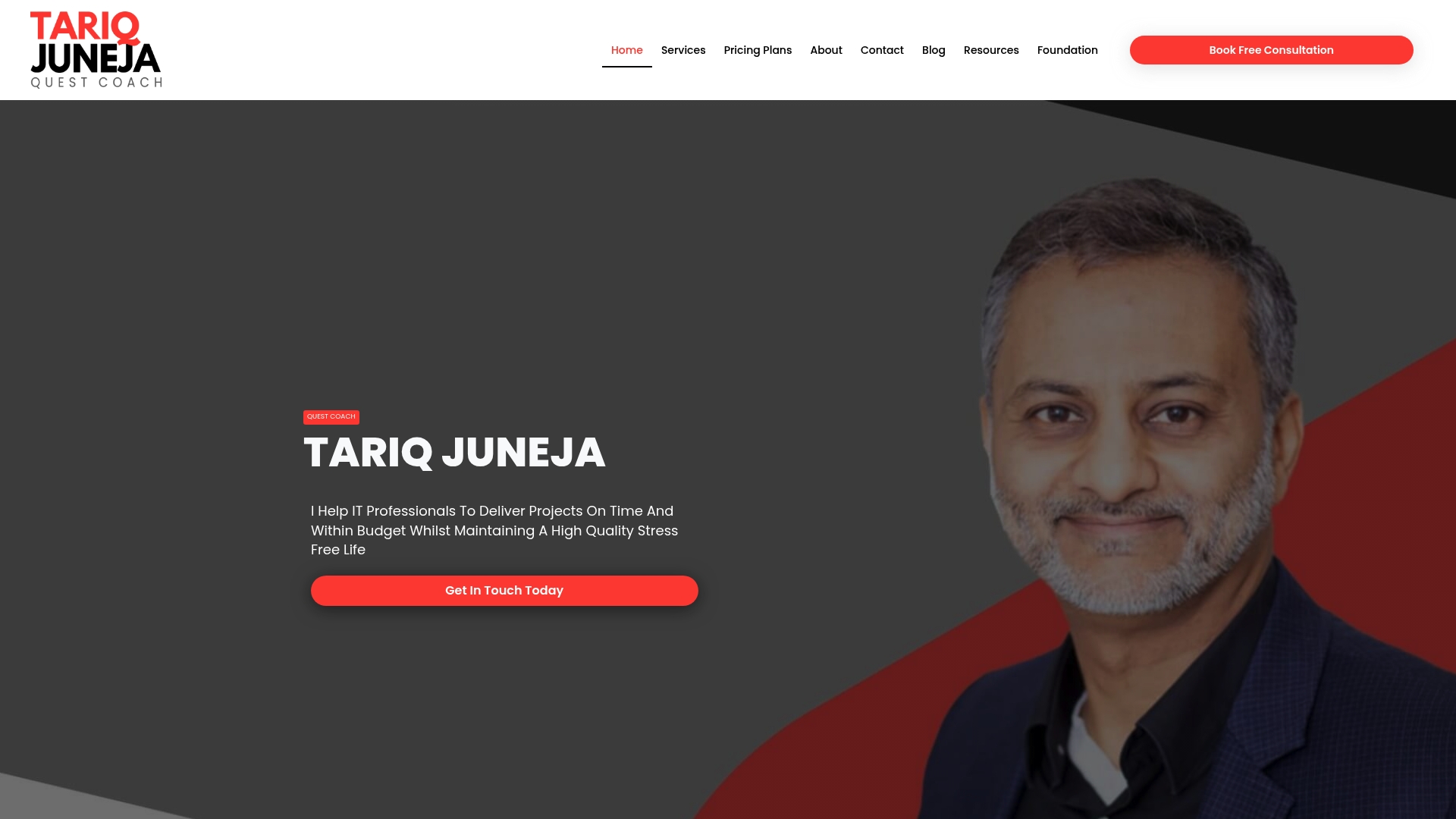
Take the next step right now to reshape your organizational culture and workflows with expert guidance from Tariq Juneja. Visit https://tariqjuneja.com to discover how personalized coaching and business transformation programs can help you eliminate obstacles, implement agile solutions, and cultivate a high-performance culture. Don’t wait for frustration to grow. Start your transformation journey today and watch productivity soar.
Frequently Asked Questions
How can I assess current productivity levels in my workplace?
To assess current productivity levels effectively, start by tracking key performance indicators specific to your team, such as completed tasks and project delivery times. Analyze this data collaboratively with your team to identify challenges and areas for improvement.
What barriers should I look for to improve workplace productivity?
Identify common obstacles to productivity, such as inefficient processes or communication breakdowns. Conduct anonymous surveys or interviews with your team to gather insights into these barriers, prioritizing them based on their potential impact on performance.
How do I implement agile workflows to enhance productivity?
To implement agile workflows, break larger projects into manageable sprints and leverage collaborative tools for real-time communication and task tracking. Experiment with different approaches over a few weeks to find the most effective workflows for your team.
What strategies can I use to cultivate a high-performance culture?
Building a high-performance culture involves setting clear performance expectations and recognizing individual and team achievements. Promote continuous learning opportunities and encourage open communication to foster an engaging work environment.
How can I measure productivity improvements effectively?
Measure productivity improvements by using a balanced scorecard that includes both quantitative metrics, like output quality, and qualitative insights, such as employee engagement. Regularly analyze these metrics and adjust your strategies based on the results to continuously enhance performance.
What steps should I take after measuring productivity results?
After measuring productivity results, communicate your findings transparently with your team and celebrate successes. Use the insights gained to refine your strategies, setting specific goals for further improvements to enhance overall productivity.
Recommended
- How to Boost Employee Productivity for Lasting Results – Tariq Juneja
- How to Improve Employee Productivity: Boost Performance Effectively – Tariq Juneja
- How to Improve Productivity in an Organization Effectively – Tariq Juneja
- How to Improve Productivity in an Organization Effectively – Tariq Juneja
- Cozee Bay – Bamboo Home Organization Guide: Stylish Eco-Friendly Solutions
- Streamline Your Inventory Management Workflow for Growth | Reddog Consulting Group