

Over ninety percent of American executives believe emotional intelligence is as important as technical skill when it comes to leadership. In fast-paced workplaces, professionals face challenges that go beyond expertise. Emotional intelligence coaching helps people master stress, communicate effectively, and build stronger connections. This guide uncovers how emotional intelligence coaching empowers American leaders with practical tools to drive real results.
Table of Contents
- Emotional Intelligence Coaching Explained
- Core Competencies of an EI Coach
- Benefits for Leaders and Organizations
- Essential Techniques and Methodologies Used
- Common Challenges and How to Overcome Them
Key Takeaways
| Point | Details |
|---|---|
| Emotional Intelligence Coaching Focuses on Emotions | EI coaching enhances professional development by helping individuals understand and manage their emotions effectively. |
| Core Competencies of EI Coaches | Effective EI coaches possess skills in empathetic listening, emotional regulation, and adaptive communication, essential for facilitating client growth. |
| Benefits for Leaders and Organizations | Engaging in EI coaching leads to improved communication, conflict resolution, and overall workplace productivity, fostering stronger organizational cultures. |
| Challenges in EI Coaching | Common challenges include recognizing unconscious biases and managing emotional reactivity, requiring adaptive strategies and a supportive coaching approach. |
Emotional Intelligence Coaching Explained
Emotional Intelligence (EI) coaching represents a transformative approach to professional development that focuses on understanding and managing emotions effectively. Unlike traditional coaching models, EI coaching delves deep into the psychological and interpersonal dynamics that drive individual and team performance.
At its core, emotional intelligence in coaching involves active listening, observing non-verbal cues, and cultivating empathy to understand clients’ perspectives and validate their emotional experiences. This nuanced methodology enables coaches to help leaders and professionals recognize their emotional patterns, develop greater self-awareness, and build more robust interpersonal skills.
EI coaching typically encompasses several key strategies designed to enhance emotional competence:
- Self-Awareness: Helping clients identify and understand their emotional triggers
- Emotional Regulation: Teaching techniques to manage stress and maintain composure
- Social Awareness: Developing skills to read and respond to others’ emotional states
- Relationship Management: Improving communication and conflict resolution capabilities
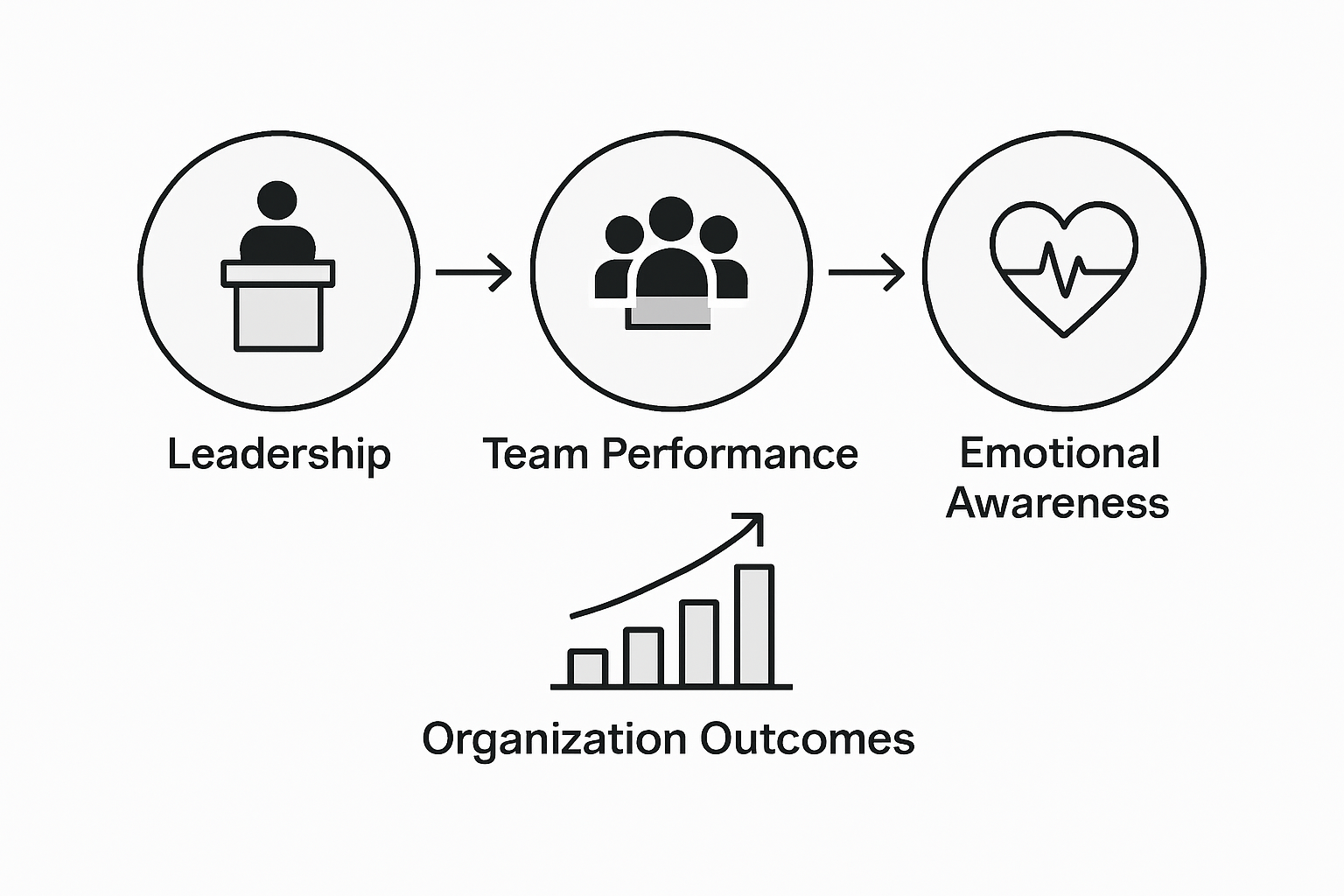
Professionals who engage with EI coaching often experience significant improvements in leadership effectiveness, team collaboration, and personal resilience. By treating emotions as valuable data points rather than distractions, coaches guide individuals toward more authentic and impactful professional interactions.
Core Competencies of an EI Coach
Emotional Intelligence (EI) coaching demands a sophisticated skill set that goes far beyond traditional mentoring approaches. An effective EI coach must possess a complex blend of psychological insight, interpersonal skills, and strategic thinking to help clients unlock their emotional potential.

Professional EI coaches develop critical competencies through rigorous training and practical experience. Understanding advanced coaching techniques allows them to create transformative learning environments that enable profound personal and professional growth. These coaches become adept at recognizing subtle emotional patterns, facilitating deep self-reflection, and guiding clients toward meaningful behavioral change.
Key core competencies for an exceptional EI coach include:
- Empathetic Listening: Ability to hear underlying emotional narratives
- Emotional Self-Regulation: Maintaining personal composure during challenging coaching interactions
- Diagnostic Skills: Identifying emotional intelligence strengths and development opportunities
- Adaptive Communication: Tailoring communication strategies to individual client needs
- Psychological Insight: Understanding complex emotional dynamics and behavioral motivations
Successful EI coaches transform potential into performance by creating safe, supportive spaces where clients can explore their emotional landscapes. Through precise observation, strategic questioning, and compassionate guidance, these professionals help individuals develop the self-awareness and emotional skills necessary for exceptional leadership and personal effectiveness.
Benefits for Leaders and Organizations
Emotional Intelligence (EI) coaching represents a powerful strategic intervention that transforms leadership capabilities and organizational performance. By focusing on the human element of professional development, EI coaching delivers measurable benefits that extend far beyond traditional training approaches.
Corporate coaching strategies reveal that organizations investing in emotional intelligence development experience significant improvements in team dynamics, leadership effectiveness, and overall workplace productivity. Leaders who engage in EI coaching develop critical skills that enable them to navigate complex interpersonal challenges, build stronger relationships, and create more resilient organizational cultures.
Key benefits for leaders and organizations include:
- Enhanced Communication: Improved ability to understand and articulate emotional nuances
- Conflict Resolution: More effective strategies for managing workplace tensions
- Decision Making: Better emotional regulation leading to more balanced, thoughtful choices
- Team Performance: Increased empathy and understanding among team members
- Talent Retention: Creating more supportive and emotionally intelligent work environments
Ultimately, EI coaching serves as a transformative process that empowers leaders to unlock their full potential. By developing deeper self-awareness, emotional regulation, and interpersonal skills, professionals can drive meaningful change, inspire their teams, and create more dynamic, adaptive organizational cultures that thrive in an increasingly complex business landscape.
Essential Techniques and Methodologies Used
Emotional Intelligence (EI) coaching employs a sophisticated array of techniques designed to unlock profound personal and professional transformation. These methodologies go far beyond traditional training, creating immersive experiences that help individuals develop deep self-awareness and emotional mastery.
The Emotional Thought Method provides a structured approach for increasing emotional intelligence through carefully designed activities that can be applied in individual and group settings. Coaches leverage multiple frameworks to help clients develop emotional competence, including techniques that promote self-reflection, emotional regulation, and interpersonal skill development.
Key methodological approaches in EI coaching include:
- Reflective Dialogue: Structured conversations that encourage deep personal insights
- Scenario Modeling: Simulating complex emotional interactions to build adaptive responses
- Emotional Mapping: Identifying and understanding personal emotional patterns and triggers
- Self-Assessment Instruments: Validated tools that measure emotional intelligence across multiple dimensions
- Experiential Learning: Hands-on exercises that create meaningful emotional growth experiences
The Four Cornerstone Model of Emotional Intelligence further enriches these techniques by emphasizing emotional literacy, fitness, depth, and transformative potential. By integrating knowledge, practical exploration, and systematic application, EI coaches help clients develop a comprehensive understanding of their emotional landscape and build sustainable strategies for personal and professional excellence.
Common Challenges and How to Overcome Them
Emotional Intelligence (EI) coaching presents unique challenges that require sophisticated strategies and deep personal commitment. Leaders and professionals often encounter complex emotional barriers that can significantly impede their personal and professional growth, making targeted interventions crucial for success.
Managing personal biases and developing emotional regulation skills represents one of the most critical challenges in emotional intelligence development. Coaches must help clients recognize unconscious patterns, confront deeply ingrained emotional responses, and build more adaptive strategies for handling complex interpersonal dynamics.
Common challenges in EI coaching include:
- Unconscious Bias Recognition: Identifying and challenging personal blind spots
- Emotional Reactivity: Learning to respond rather than reflexively react
- Vulnerability Resistance: Overcoming fear of emotional exposure and self-reflection
- Communication Breakdowns: Addressing ineffective emotional communication patterns
- Performance Anxiety: Managing stress and maintaining emotional equilibrium
Successful EI coaches develop adaptive strategies for professional growth by creating safe, supportive environments that encourage genuine self-exploration. Through targeted interventions, compassionate guidance, and practical skill-building, coaches help individuals transform emotional challenges into opportunities for profound personal development and enhanced leadership effectiveness.
Unlock Your Leadership Potential with Expert Emotional Intelligence Coaching
Struggling to manage emotional challenges that hold your leadership and team performance back? This article highlights how developing emotional intelligence skills like self-awareness, emotional regulation, and relationship management can transform your professional effectiveness and workplace dynamics. If you want to overcome barriers such as emotional reactivity and communication breakdowns, guided support is essential.
Discover how to harness these powerful concepts with targeted coaching strategies available through Life Coaching Archives – Tariq Juneja and improve your adaptive skills alongside proven Change Management Archives – Tariq Juneja.
Take the first step toward elevating your leadership and creating more resilient teams by exploring personalized coaching at https://tariqjuneja.com. Book your free consultation today to begin transforming emotional challenges into lasting professional success.
Frequently Asked Questions
What is Emotional Intelligence (EI) coaching?
Emotional Intelligence (EI) coaching is a professional development approach that focuses on understanding and managing emotions to enhance individual and team performance.
How does EI coaching benefit leaders?
EI coaching helps leaders enhance communication, improve conflict resolution, and make balanced decisions, leading to increased effectiveness and more resilient organizational cultures.
What techniques are commonly used in EI coaching?
Common techniques include reflective dialogue, scenario modeling, emotional mapping, self-assessment instruments, and experiential learning to promote self-awareness and emotional mastery.
What are some challenges faced during EI coaching?
Challenges may include unconscious bias recognition, emotional reactivity, resistance to vulnerability, communication breakdowns, and performance anxiety, which require adaptive strategies to overcome.
Recommended
- What Is Leadership Coaching? Complete Overview – Tariq Juneja
- Management Coaching: Everything You Need to Know – Tariq Juneja
- Personal Leadership Coaching: Everything You Need to Know – Tariq Juneja
- Complete Guide to Executive Coaching Explained – Tariq Juneja
- Food Safety Leadership Skills for Canadian Restaurants and Schools 2025 – Probe IT
- Understanding the Importance of Continuous Learning – My WordPress